About Dr. Lily McCrossin
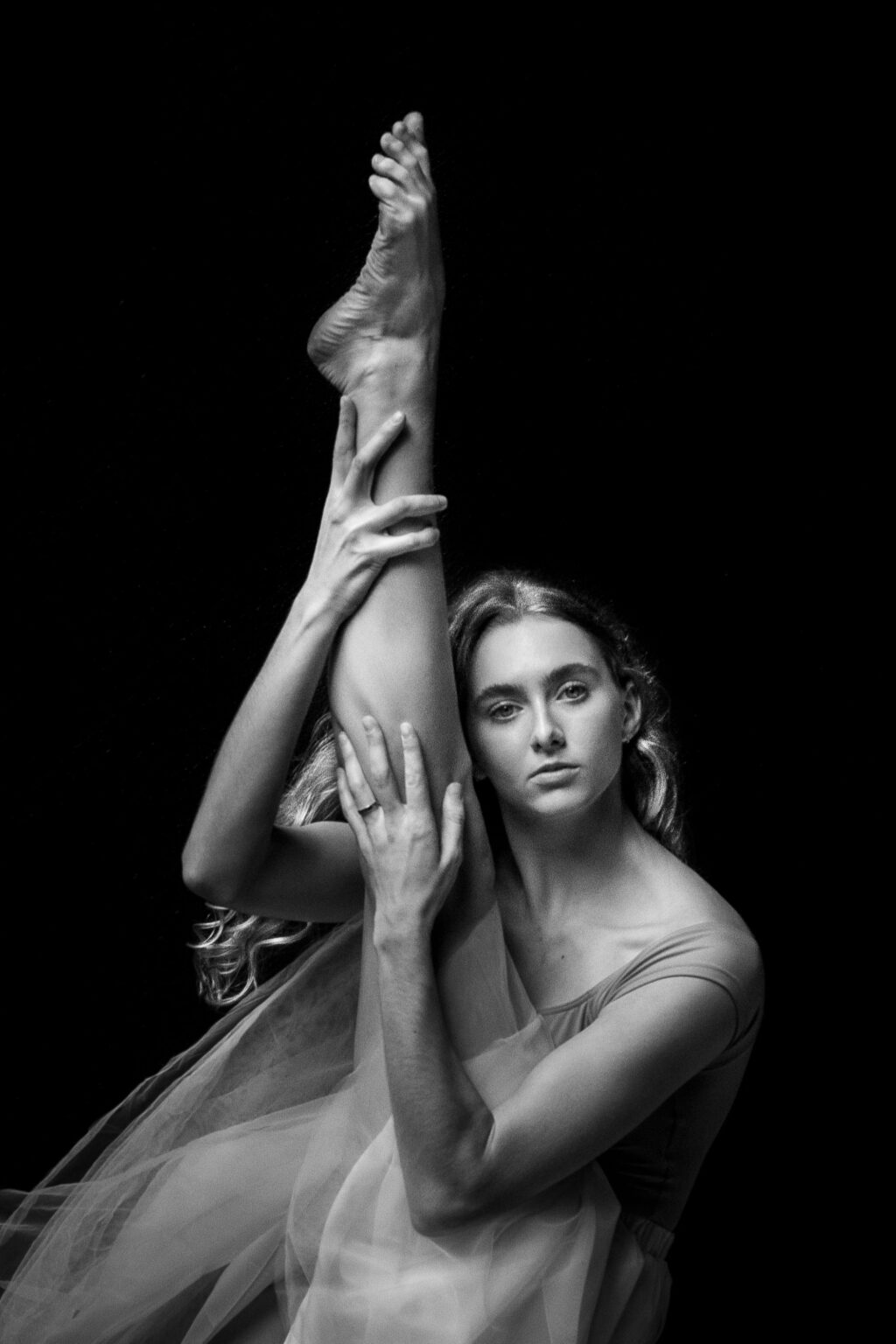
— Dancer — Physical Therapist — Dance Educator — Researcher —
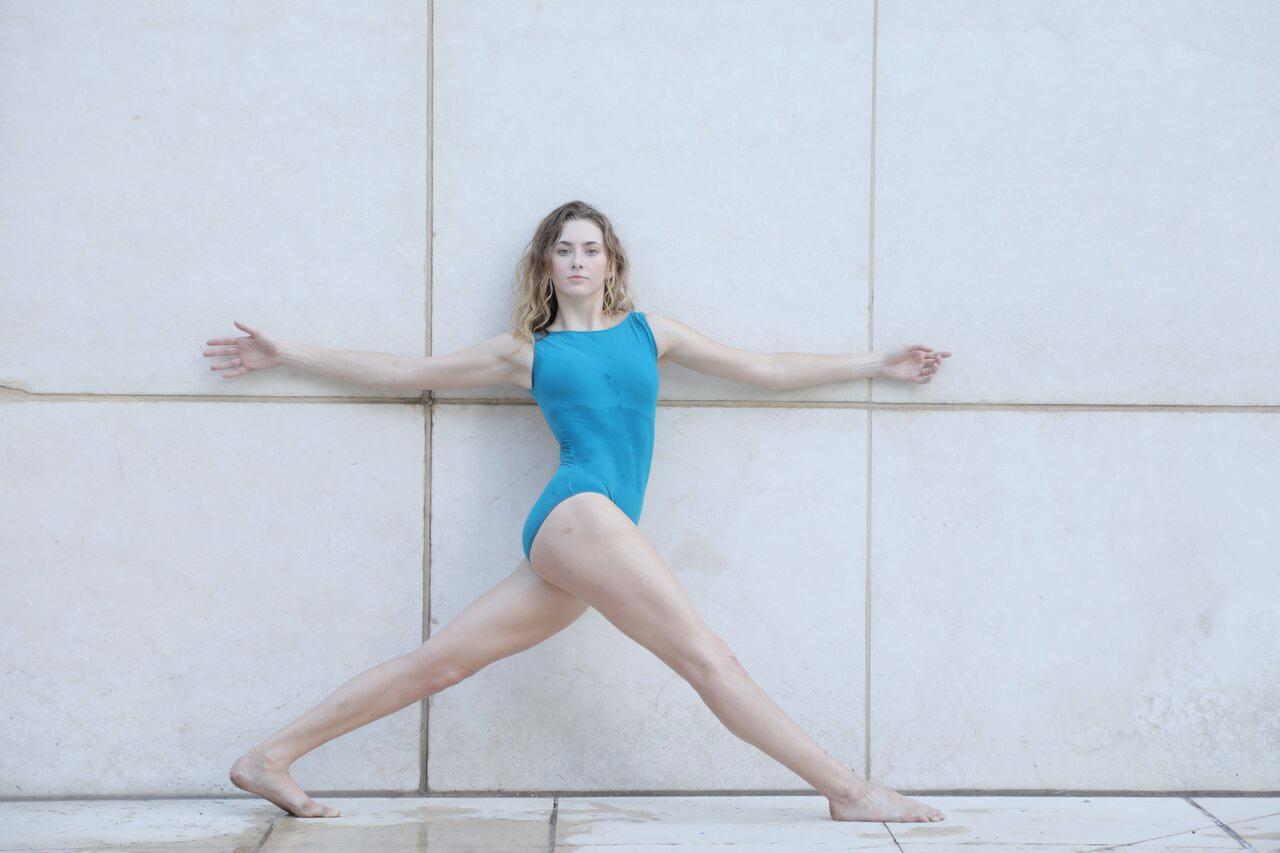
I have helped hundreds of professional and preprofessional dancers return to dancing and performing following an injury. As a dancer myself, I understand the unique biopsychosocial factors that my patients and clients experience while recovering from an injury. I have experience rehabilitating dancers from ages 6 to 72. My goal has always been the same: I want to help dancers achieve their performance and career goals while optimizing their physical wellbeing and increasing their health literacy to promote career longevity.
My process is collaborative, educational, and empowering.
I believe in dancers having the autonomy to make decisions regarding their health, participation status, bodies, and dance career. I tell all of my clients – you are the captain of your ship; I will provide you with a map, a compass, and a stormy weather radar. By that I mean – I provide you with educational resources, strengthening exercises, “workload hardening” dance tasks to complete in the studio, and a written plan of action to recover. I am a resource, here to help you problem solve and achieve your goals.
My Qualifications and Previous Work Experience

Doctor of Physical Therapy
University of Miami Miller School of Medicine

Bachelor of Fine Arts, Modern Dance
University of South Florida

Lead Physical Therapist
Miami City Ballet

Dance Medicine Lead
Nicklaus Children's Hospital

Founding Professional Dancer
Tampa City Ballet
Dance Faculty
Tampa City Ballet School
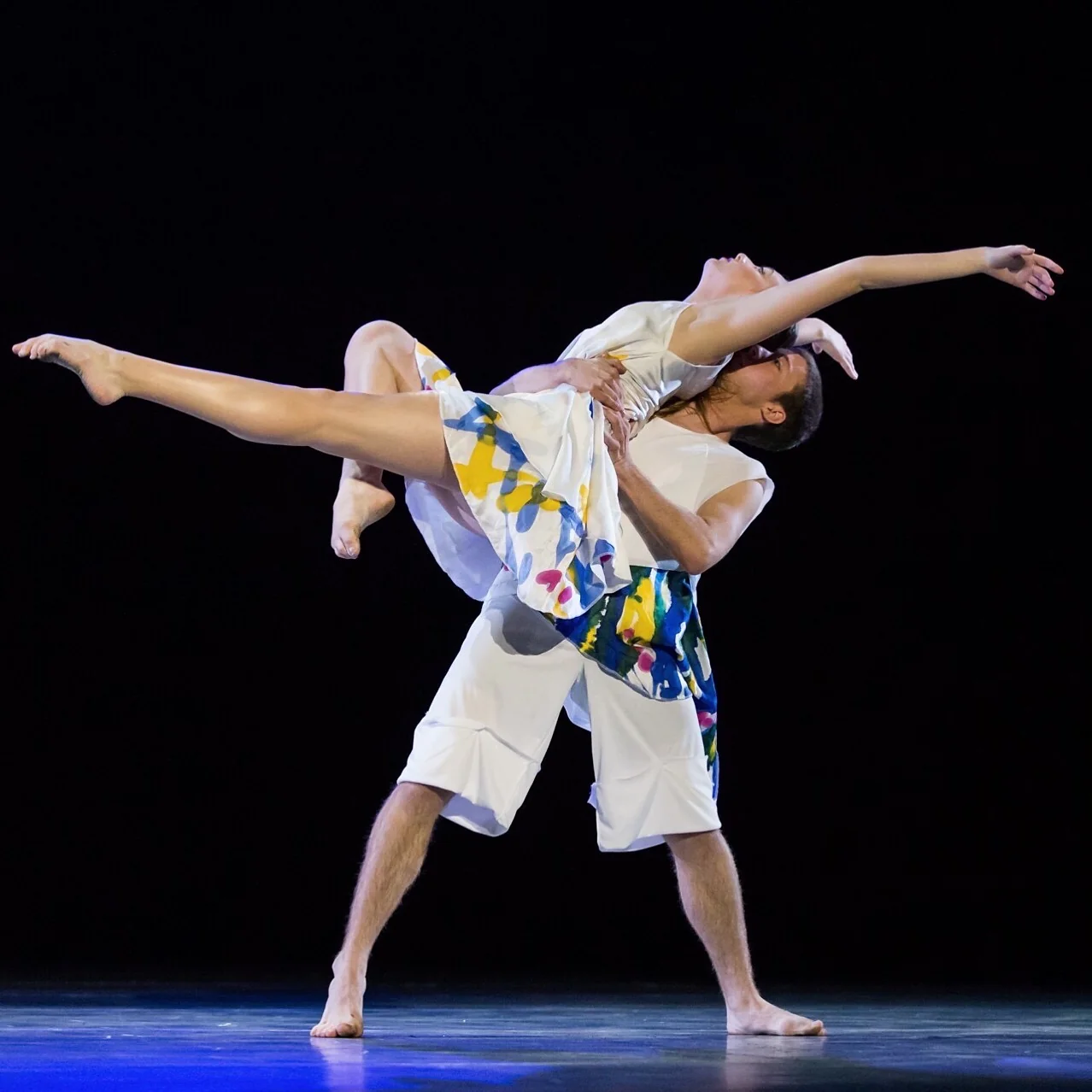
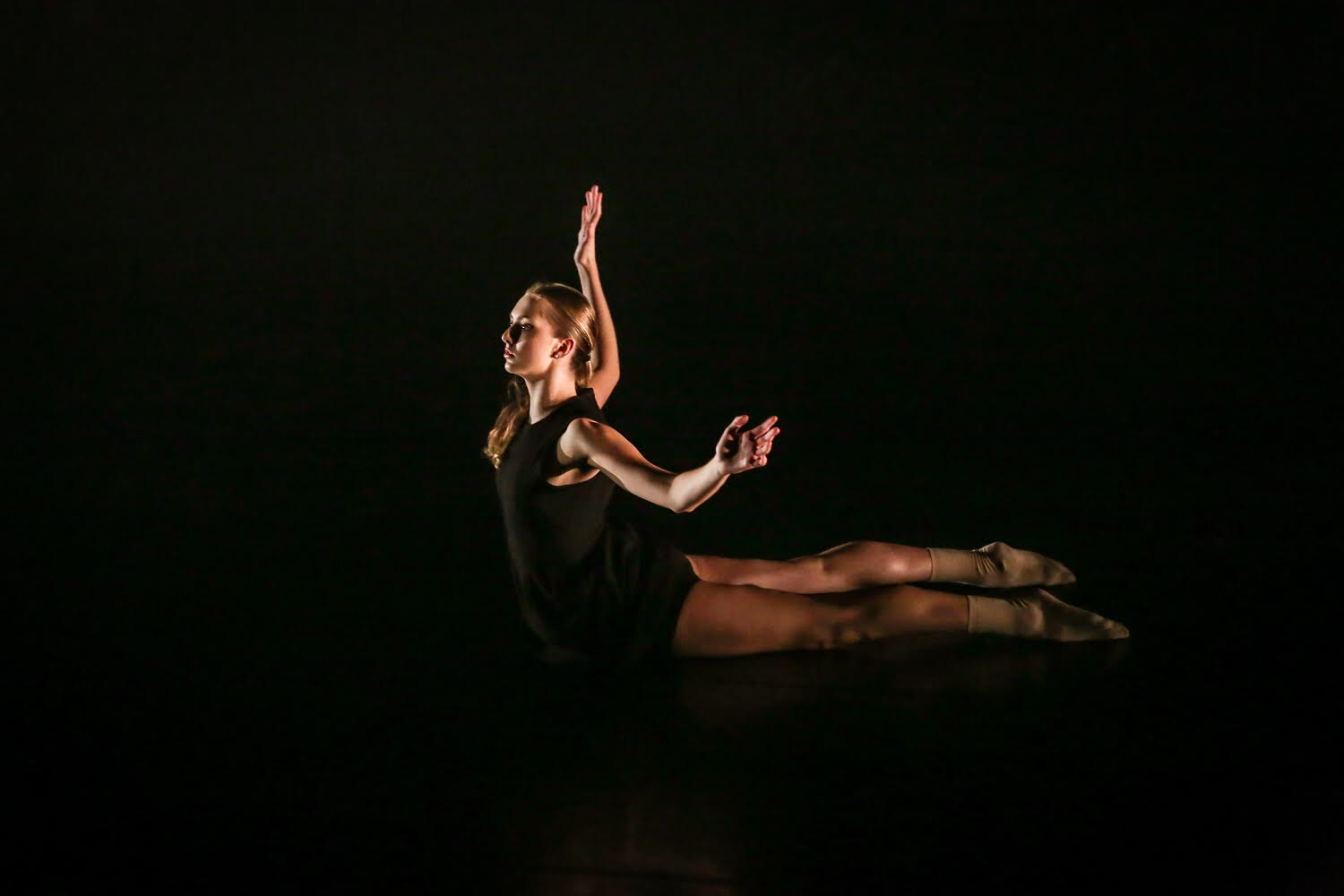
Previous dance experience and accolades
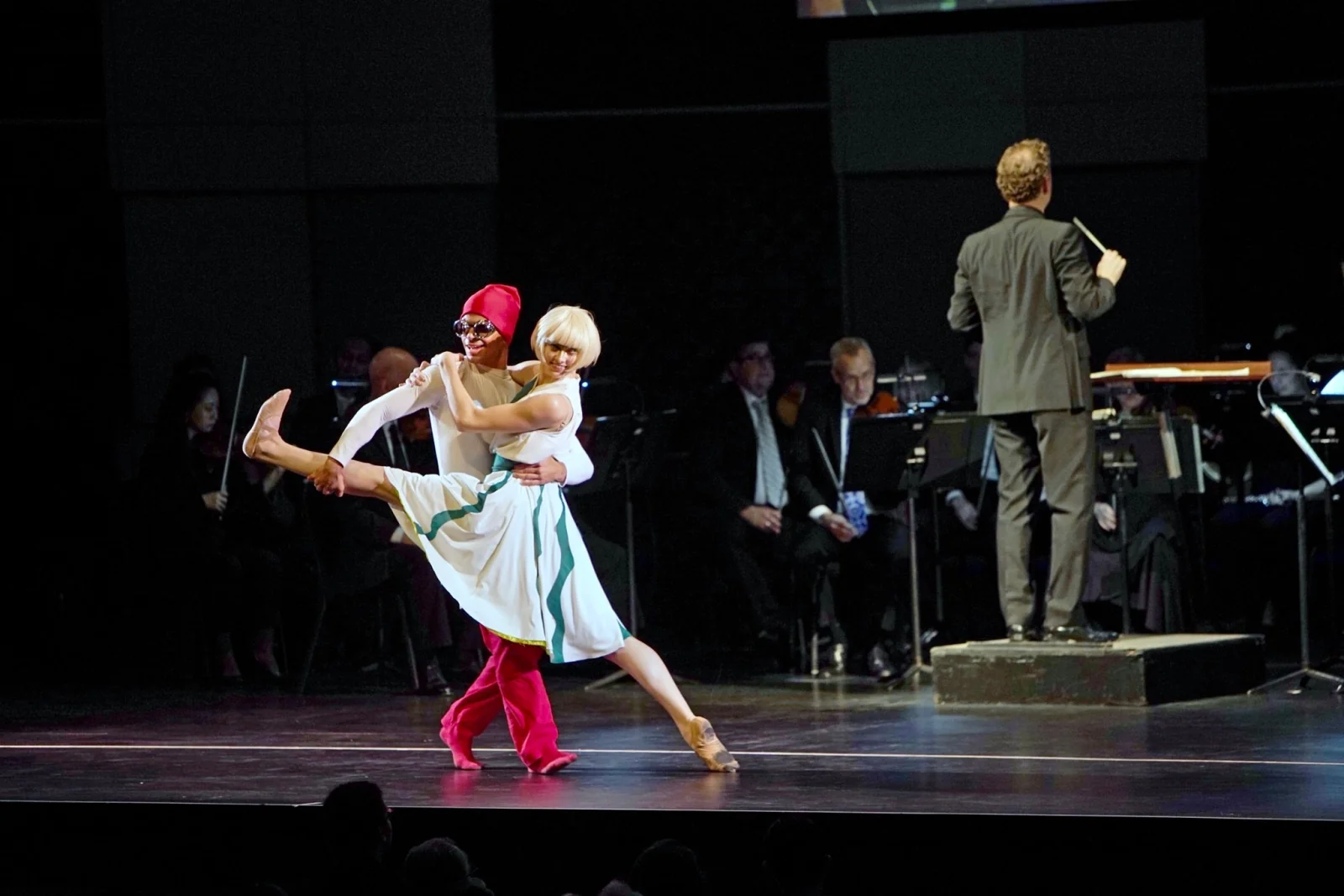
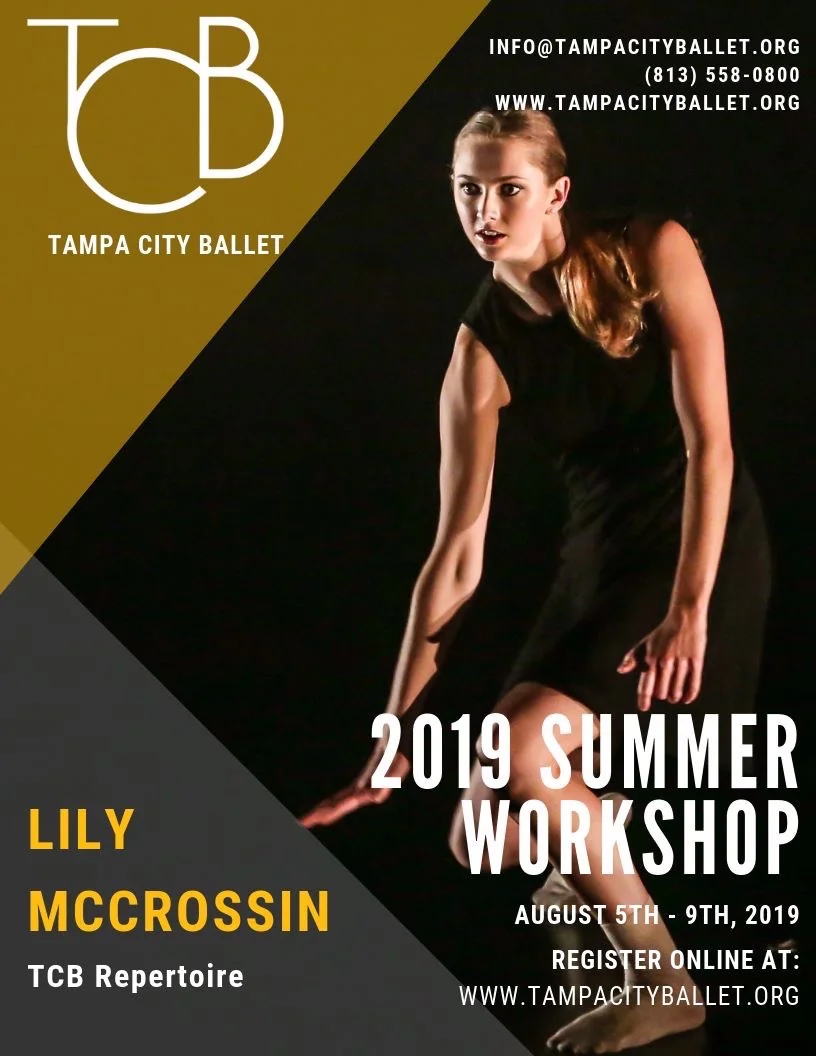
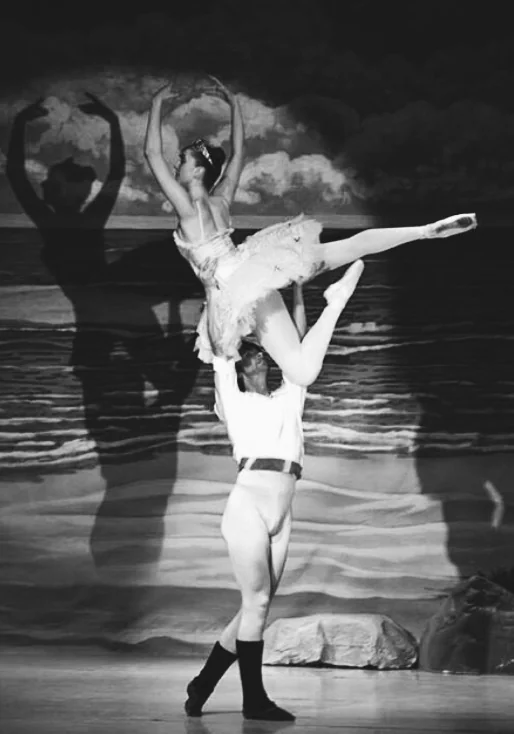
- Tampa City Ballet, founding company member and principal artist 2018-2020
- Tampa City Ballet School Faculty; taught contemporary dance classes to the pre-professional division 2017-2020
University of South Florida (USF) Dance Program 2014-2018
- Completed highest technique classes offered in Ballet, Pointe, and Modern dance
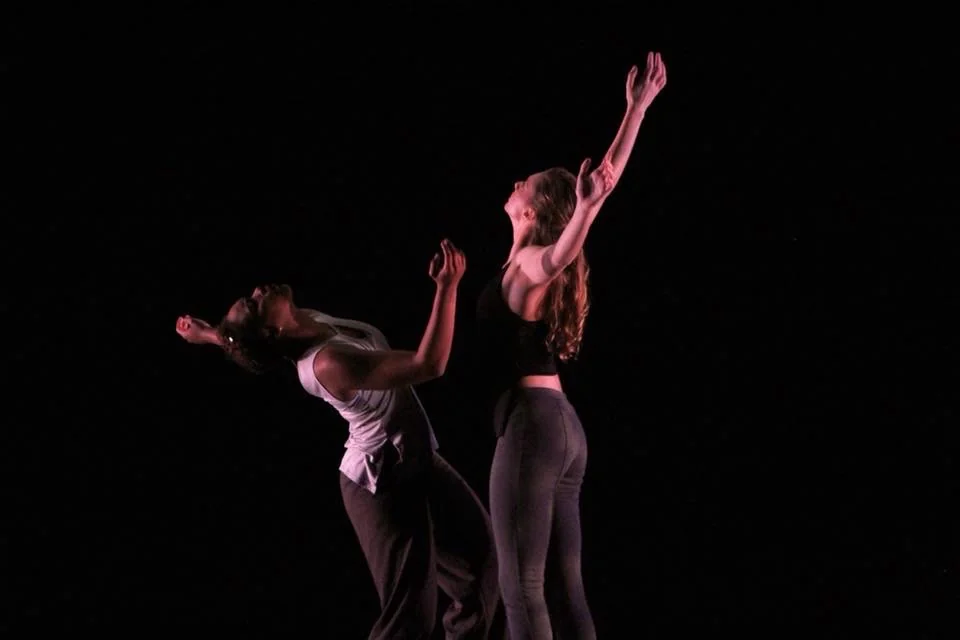
- Selected to perform self-choreographed solo at the American College Dance Festival in 2018
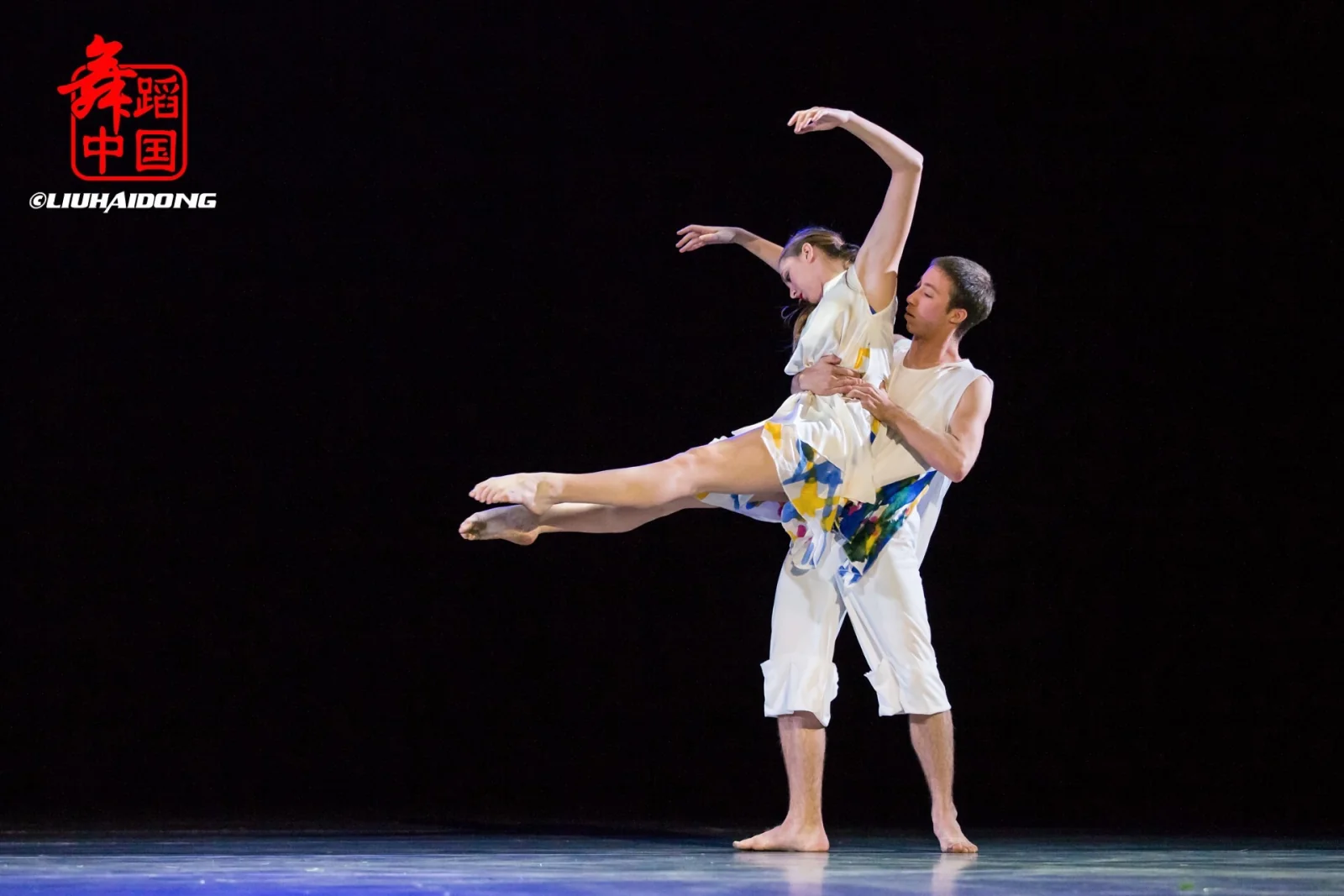
- One of twelve dancers in the United States selected to perform at the Beijing Dance Academy in 2016
- Inwood Performing Arts, pre-professional training 2008-2014
- Joffrey Ballet School Summer Intensive, full scholarship 2014
- Orlando Ballet School Summer Intensive, full scholarship 2013
- Ballet Austin Summer Intensive, full scholarship 2011, 2012
- Ballet San Jose Summer Intensive, 2010
- GloATL Summer Workshop, 2009
- Maryland Youth Ballet Summer Intensive, 2009
- American Academy of Ballet Summer Intensive, 2008
- Recipient of William Hug Scholarship for excellence in choreography 2017
- Recipient of Hope Rietschlin Scholarship for excellence in performance 2016
Published research
- The Relationship Between Body Image and Athletic Identity in Dancers. Orthopaedic Journal of Sports Medicine. 2026
- Between Barre and Barbell: Understanding Resistance Training Behaviors Among Dancers. Orthopaedic Journal of Sports Medicine. 2026
Professional memberships
- International Association of Dance Medicine and Science
- American Physical Therapy Association
- Florida Physical Therapy Association
More about my journey
My clinical career journey began at Nicklaus Children's Hospital, where I was fortunate to receive high quality mentorship in sports medicine physical therapy, and mentorship in dance medicine. This later translated to leading the hospital’s dance medicine program, hosting workshops, and training other clinicians and physical therapy students. My journey then took me to the Miami City Ballet, where I served as the Lead Physical Therapist and oversaw the Artistic Health Department. Here, in addition to providing physical therapy, I managed workers compensation cases, managed the schedule of my four talented team members, oversaw clinic resources, and met with the artistic director and rehearsal directors on a weekly basis to coordinate care progressions. After my first season concluded, I recognized that I did not have the work-life balance I needed to sustain my best work, and made the difficult decision to take a step back to prioritize my own wellbeing.
Since my years transitioning out of being a full time dancer and into the healthcare arena, I have been pleased to see gradual changes taking place in the dance world. I believe there is an active shift happening, gradually improving the culture and redefining what it means to have a successful and healthy career in dance. But, we still have a lot of work to do until the average age of professional dancers compares to the average age of NARP’s (non-athletic regular people) working in the other most highly ranked physically demanding jobs a person can have.
This thinking led to my creation of Ballet Rehab Coaching; my biggest “brainchild”. Not exactly physical therapy, and not exactly a private dance class – it’s the best of both worlds. My level of Ballet Rehab Coaching is the first of its kind. Combining my knowledge as a physical therapist and dance artist, I am able to prescribe specific dance combinations based on tissue tolerance, recommend therapeutic exercises, and share body recovery tactics. This is hugely advantageous for a dancer returning from an injury, as we know the healing process is not linear. Ballet Rehab Coaching is deeply personal and intentional to the dancer returning to the studio and stage.
Having worked in both traditional and non-traditional healthcare settings, I recognize the limitations of each – which is why Ballet Rehab Coaching meets virtually. This structure grants schedule flexibility for my artists, allows for patient privacy, and grants access to resources for dancers that do not have the luxury or convenience of an onsite dance medicine specialist.
In my free time when I am not coaching dancers or reading research, I can be found taking drop-in dance classes, immersed in my own art projects, attending dance performances, training at the gym, spending time with my loved ones, and reading books from my local library.