
Our Story
First, thanks for being here! I’m excited that your curiosity for either fostering dance career longevity or the whereabouts of Baseline Dance brought you here.
A little about me (Lily), how Baseline Dance came to exist, and how we are growing:
I am a dancer and dance educator. I am also a physical therapist and dance science researcher. A question I often get asked is “did you always know you wanted to become a physical therapist?” my answer to that is well, not exactly.
I am originally from rural Maryland, raised by a single mother, a great uncle, and two older sisters (also dancers). Dance has been a major part of my life and led me to many summer intensives, pursuing my BFA in Dance, dancing professionally in a company, and performing internationally. I love to dance, experience dance performances, and be around other dancers. And yes, I am still dancing.
As you likely know, dance can be expensive. This was especially the case for my mom (single parent and full-time nursing student) who had three daughters wearing pointe shoes at the same time. My mother always encouraged us to follow our dreams on the condition we would, like her, settle into a career in healthcare and have financial stability. My mom went on to a fulfilling 20+ year career at the National Institutes of Health, and both of my sisters became physician associates.
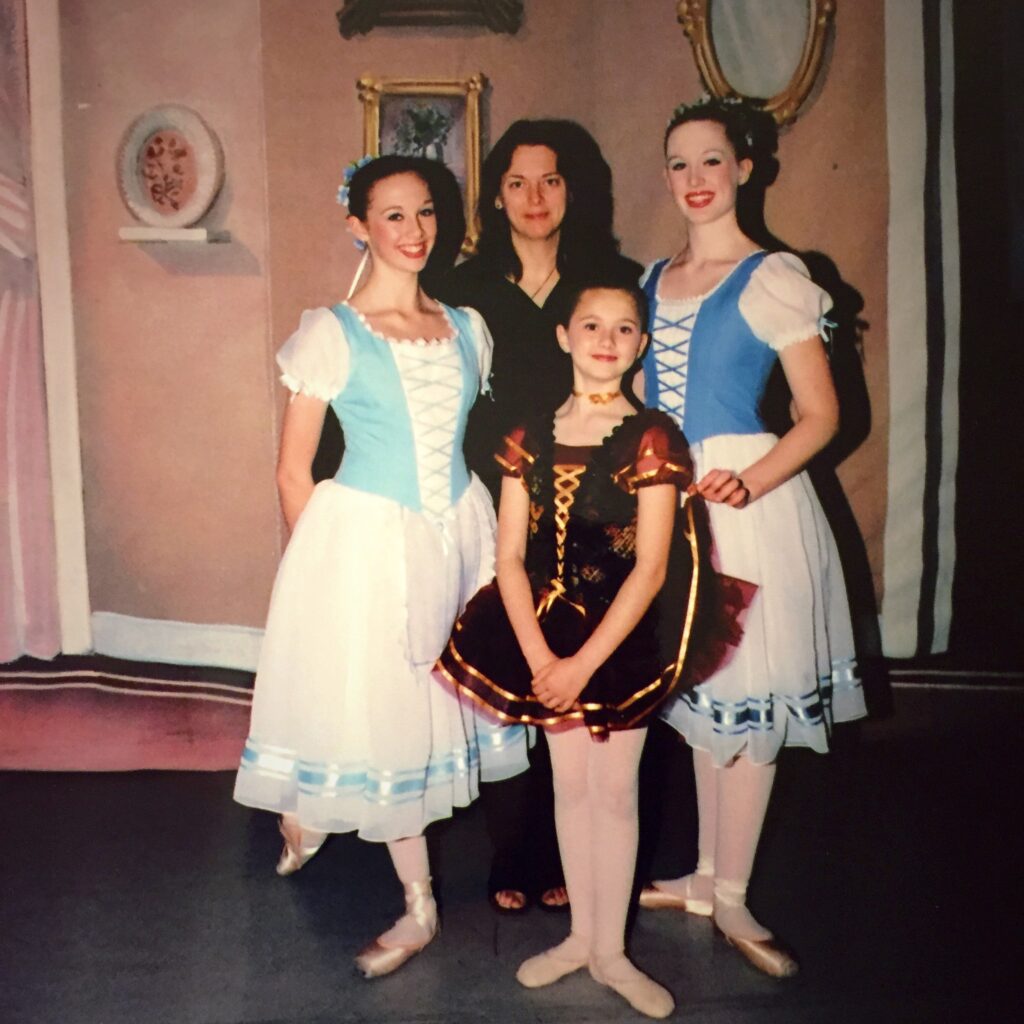
I, on the other hand, desired to continue dancing. But to keep my mom happy, I took all of the prerequisites for an eventual job in healthcare. On this journey I shadowed many different providers, and at one moment I considered becoming an optometrist! That quickly changed after I shadowed a physical therapist.
Physical therapists care for the body’s movement system. They observe their patient’s movement patterns with curiosity and prescribe exercises and interventions which improves the patient’s quality of life.
This was exciting to me! It felt like familiar territory to my experience as a dancer and dance educator: teaching choreography, observing the movement, then directly applying feedback to improve the movement quality. I had finally found the healthcare career I wanted to grow into.
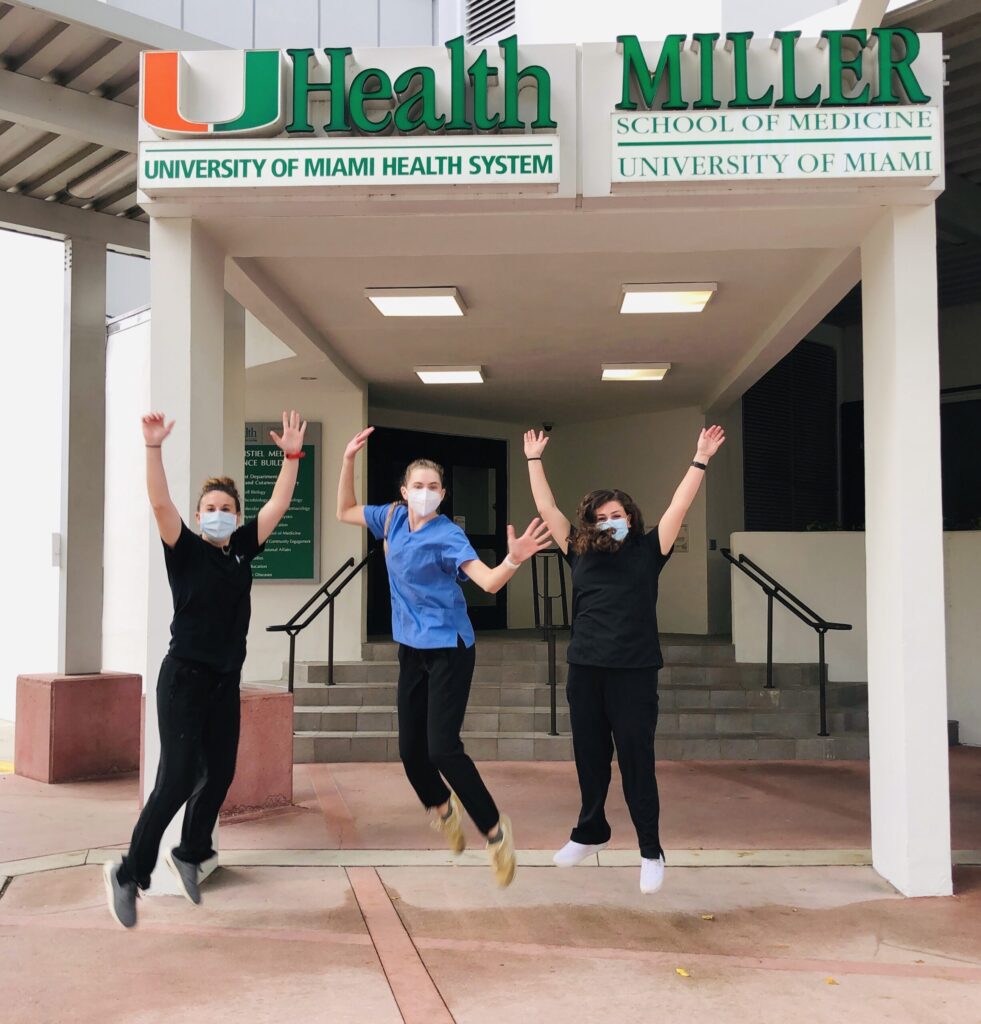
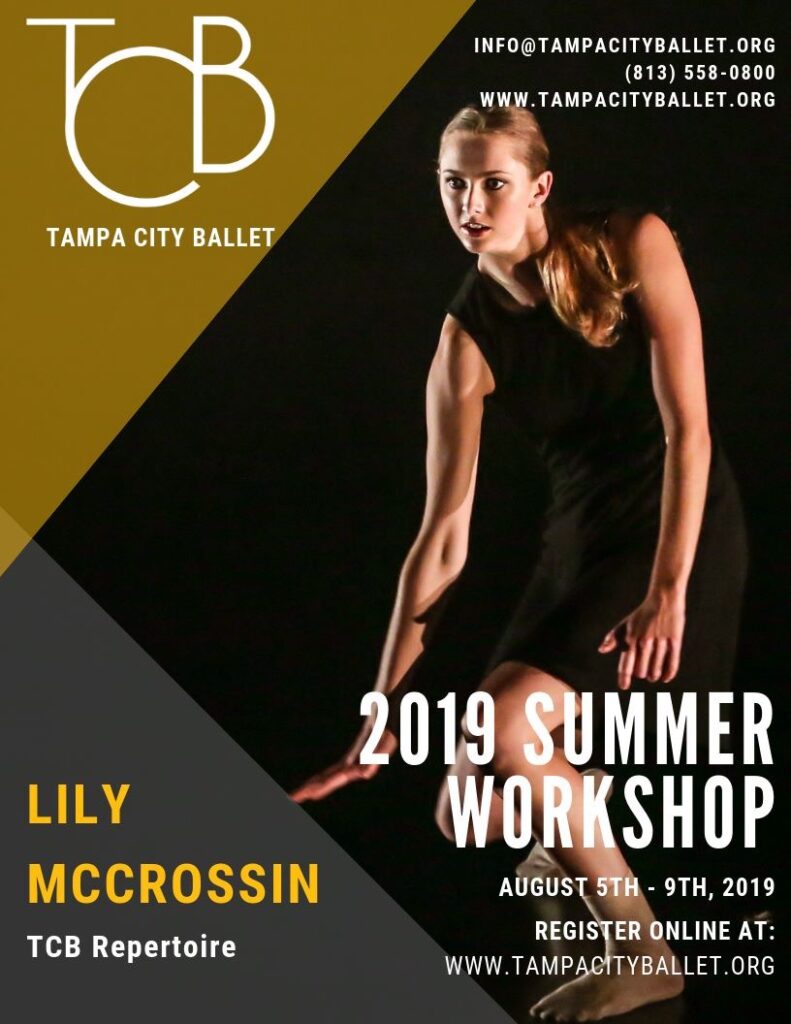
In March 2020 the COVID-19 pandemic happened. The week leading up to the pandemic lockdown, I had been rehearsing at the Tampa City Ballet with a guest artist from Alvin Ailey while preparing for my own choreography to be debuted that spring in Ho Chi Minh, Vietnam. In the weeks that followed, dancing in a studio or theater was paused for the foreseeable future and my performance in Vietnam was cancelled. No one knew how long the pandemic would last. This marked my pivot into graduate school at the University of Miami.
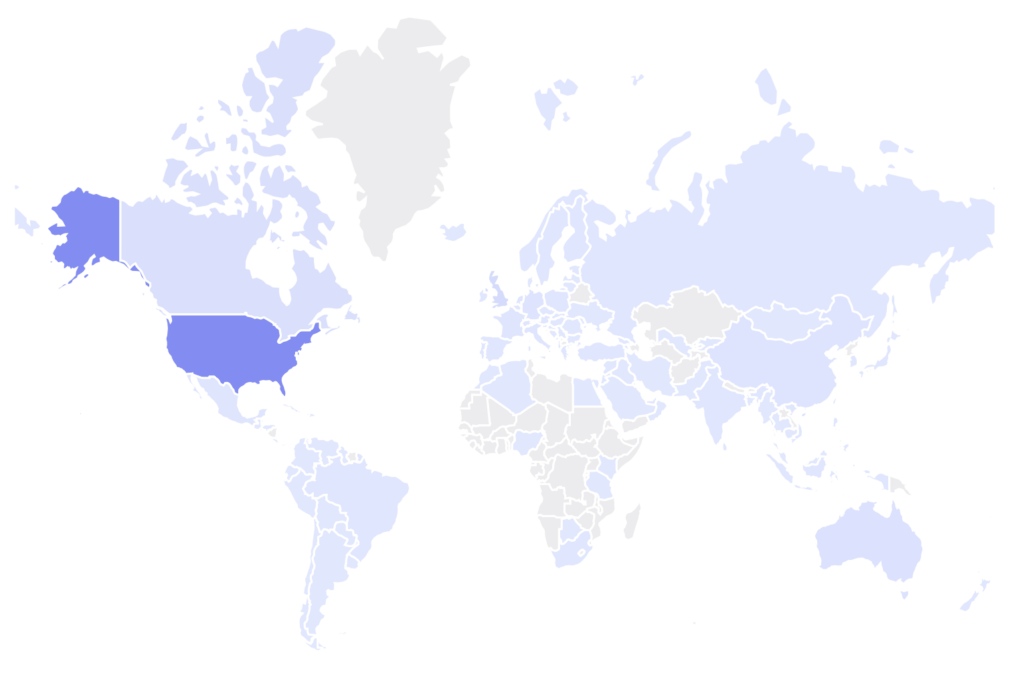
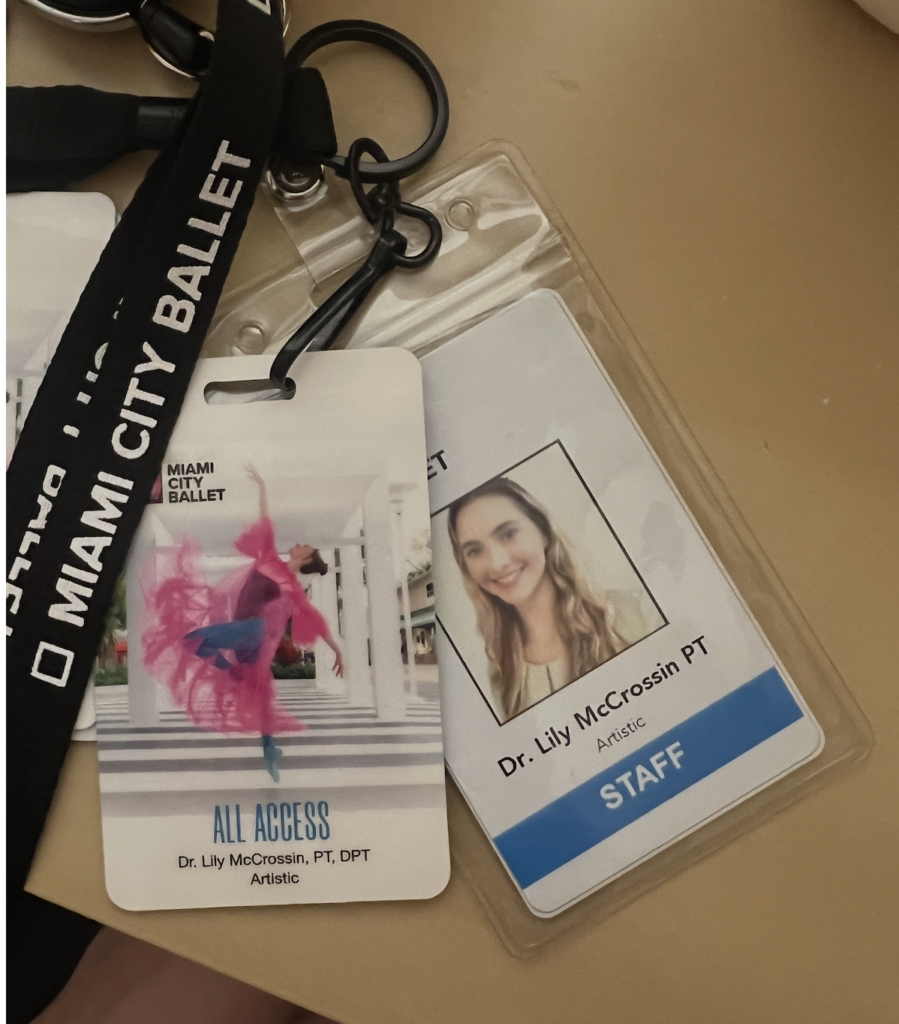
Inspired by all I was learning in PT school, and deeply missing my dance peers, I launched Baseline Dance in 2022 with the help of Luciano, a skilled software engineer who also happened to be my boyfriend (we are now married and have been together more than a decade!). Baseline Dance was originally intended to be just a small blog site to share educational dance resources, fueled by my passion of promoting dance career longevity. It has since reached curious dancers in over 120 countries! In 2023, I graduated with a Doctorate in Physical Therapy, and started my first job leading the dance medicine program at Nicklaus Children’s Hospital before working as the Lead Physical Therapist at the Miami City Ballet. Flash forward to 2026; I experienced burnout for the first time (common in healthcare) and knew I had to choose a different type of work. Ideally one that would return me back to my roots as a dancer and educator, while retaining my clinical skillset and passion for fostering career longevity in dance.
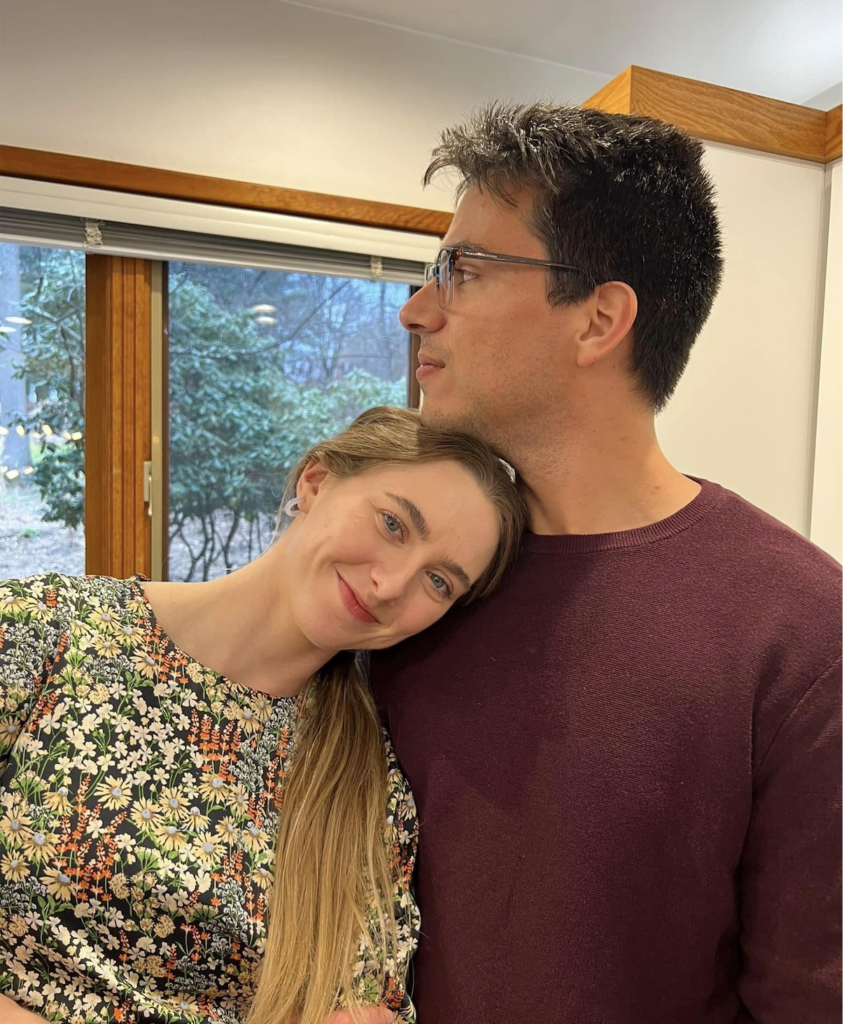
I am grateful to have such a supportive partner.
With the support and help of my husband and our families (and my executive coach), I reflected on my personal values and what services I can provide to the dance and healthcare communities that align with my values.
My goal has always been the same: I want to help dancers achieve their performance and career goals while optimizing their physical wellbeing and increasing their health literacy to promote career longevity.
When considering this goal, I thought of the resources that already exist, and then I considered the gaps and barriers in implementing these resources. Since my years transitioning out of being a full time dancer and into the healthcare arena, I have been pleased to see gradual changes taking place in the dance world. I believe there is an active shift happening, gradually improving the culture and redefining what it means to have a successful and healthy career in dance. Now more than ever, there is an increasing interest in dancers lifting weights to strengthen their bodies, ongoing collaboration between studios/schools and supportive health entities, and there are more student physical therapists eager to learn about and soon practice dance medicine than ever! This all makes me incredibly excited! But, we still have a lot of work to do until the average age of professional dancers compares to the average age of NARP’s (non-athletic regular people) working in the other most highly ranked physically demanding jobs a person can have.
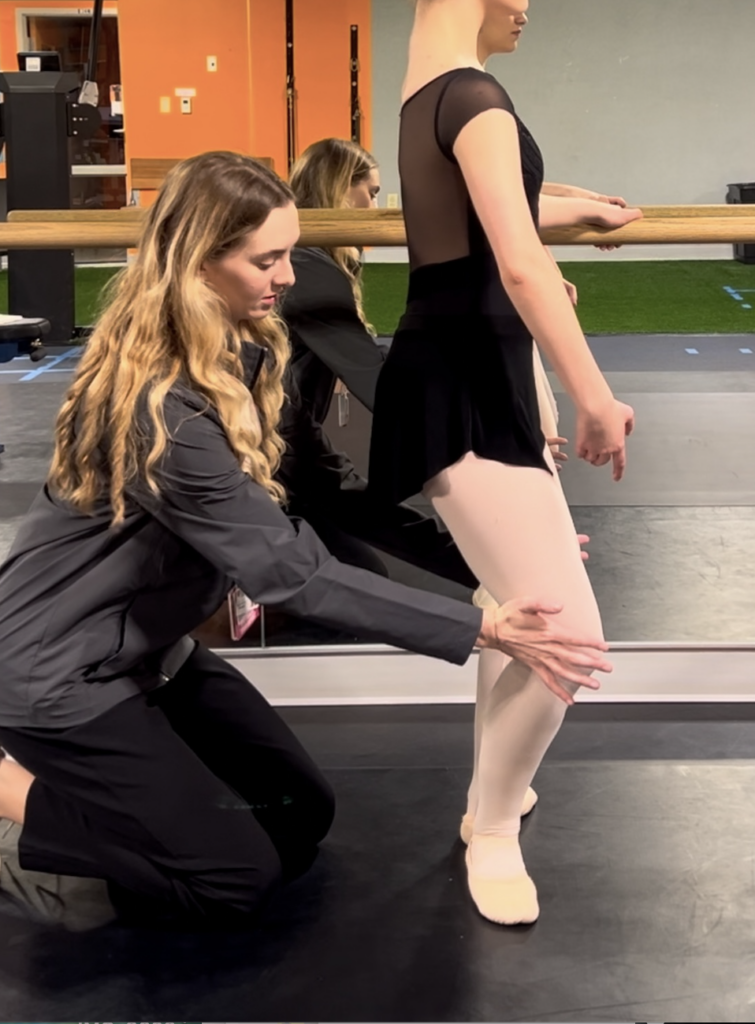
At the completion of my (long) reflection, I recognized how I would like to use my skillset and continue contributing to my communities. This led me to three paths: teaching dancers how to adequately strengthen and condition their bodies, pioneering Ballet Rehab Coaching, as well as teaching dance science and technique workshops. Out of these three, Ballet Rehab Coaching is my biggest “brainchild”. Not exactly physical therapy, and not exactly a private dance class – it’s the best of both worlds. My level of Ballet Rehab Coaching is the first of its kind. Combining my knowledge as a physical therapist and dance artist, I am able to accurately dose specific dance combinations based on tissue tolerance, recommend therapeutic exercises, and body recovery tactics. This is hugely advantageous for a dancer returning from an injury, as we know the healing process is not linear and it’s important to take it one day at a time. Ballet Rehab Coaching is deeply personal and intentional to the dancer returning to the studio and stage.
You may be thinking “Lily, why choose ballet”? I chose ballet as my go-to for helping dancers navigate their return with skills and volume as our baseline due to my 25+ years training in ballet and the prosperous work I have done rehabilitating dancers at all levels. Ballet technique is commonly studied among dancers, including those with roots in modern and contemporary dance. Ballet has a relatively clear structure of combinations, which makes communicating expectations clear when working together. However, I feel equally as comfortable working with modern and contemporary dancers, as my bachelors degree is in modern dance and I worked professionally dancing and choreographing in a contemporary ballet company.
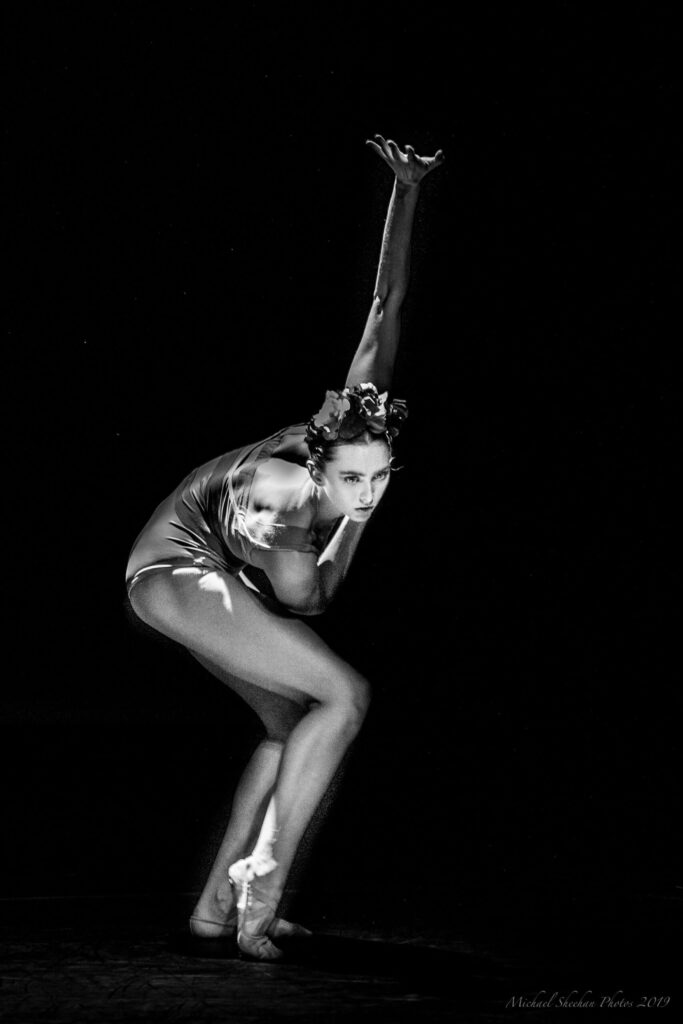
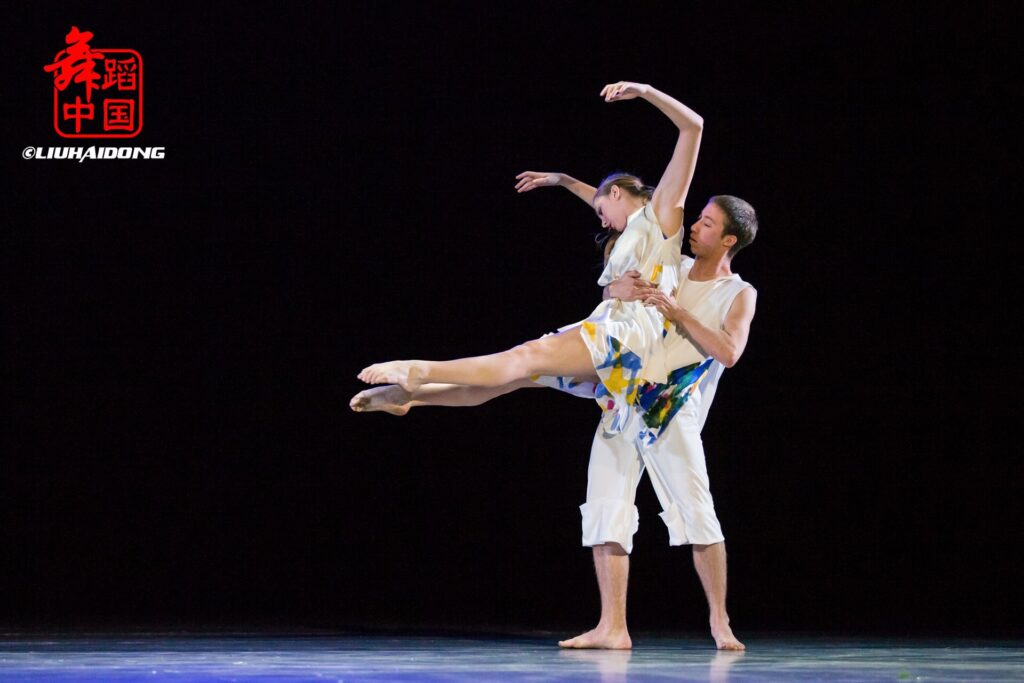
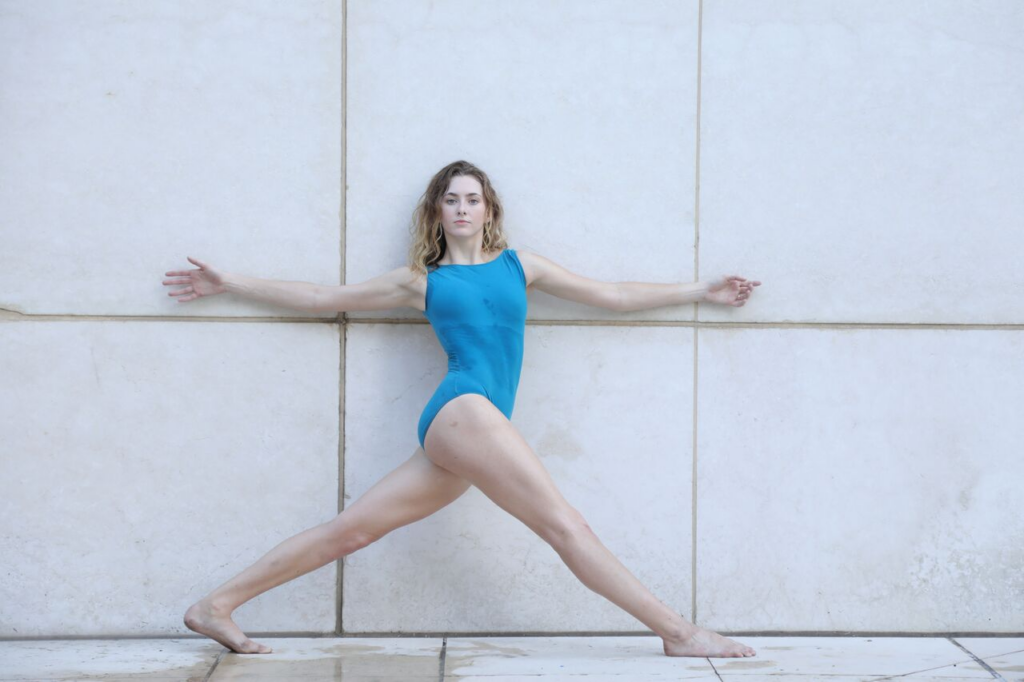
Returning my attention to Baseline Dance from this revitalized perspective feels aligned with my values, skillset, and professional interests. Navigating tissue issues in the studio setting after any amount of time-off can be physically and mentally challenging when a dancer is uncertain of when it is safe to “push” versus scale back to prioritize body recovery. This is especially true when a dancer does not have direct access to a healthcare provider that is familiar with dance biomechanics, technique and workload, and the biopsychosocial factors related to training and performing as a dancer. Through my work with Baseline Dance, I look forward to sharing more educational resources of body-care information I wish that I had when I was dancing full time, teaching dancers how to make autonomous decisions that support their career goals, and demonstrating how to expand the dance career lifespan.
My process is educational, collaborative, interactive, and empowering. Everything I recommend is backed by the latest research in movement science and dance medicine; dancers can expect to make progress towards their goals each session.
Let’s get to work.
Sincerely,